
 Massachusetts is finally moving social consumption from concept to regulation. The Massachusetts Cannabis Control Commission has approved a framework and signaled real intent. These licenses are designed to create safer places to consume, expand tourism, and help transition legacy operators into the regulated market.
But there’s a hard question under all the excitement: What is the business model — especially for equity operators — when the barriers to entry are still high and municipal opt-in can slow everything down?
The Commission deserves credit for making these licenses exclusive to Social Equity/Economic Empowerment, microbusinesses, and craft cooperatives for 36 months (starting when at least one licensee in each class has received a notice to commence operations). But Commission leadership has also acknowledged publicly that equity outcomes aren’t where they need to be — so if we want social consumption to be more than a headline, the model must support sustainable operators, not just hopeful applicants.
Below are four practical social consumption concepts that fit Massachusetts realities, reflect Worcester culture, and can be built without turning equity into “the last leg of the supply chain.”
1) The Outdoor Neighborhood Lounge
For a city like Worcester, the most natural social consumption model isn’t necessarily a glossy indoor lounge. In some neighborhoods, cannabis already lives outdoors: on stoops, on walks, outside the local bar. That doesn’t mean unregulated chaos; it means the vibe is already established.
Model: A secure outdoor courtyard or patio experience with
- high fencing and controlled entry
- outdoor heaters for shoulder seasons
- clear house rules and staff oversight
- a “cannabis bar” concept that focuses on education and responsible serving standards (not alcohol-style speed)
Why it works:
It’s scalable, operationally simpler than indoor ventilation retrofits, and better aligned with the reality that smoke-heavy environments can limit productivity and create conflict with retail workflows. It can also be designed with community respect — noise, traffic, and neighborhood relationships built in from day one.
Equity angle:
This is a model where local culture can lead, not follow. It’s also easier to pilot with fewer buildout dollars than a fully enclosed indoor venue.
2) Hospitality Partnerships Without Turning into a ‘Weed Bar’
Massachusetts created multiple license pathways (including hospitality-style models) to allow social consumption to exist beyond dispensaries. This is where things get interesting: The best outcomes may come from partnering with existing hospitality operators who already know service, flow, staffing, and customer experience.
Model: Partner with a non-cannabis venue that already has
- strong operations and foot traffic
- food or entertainment infrastructure
- a built-in customer base
- compliance maturity and security readiness
Then build a consumption experience that is curated and structured, not a free-for-all. Think reservation-based experiences, guided “tasting” formats (education-forward), and time-boxed seating.
Why it works:
It reduces buildout risk and leverages what hospitality already does well: pacing, service design, and guest management.
Equity angle:
Equity operators remain the license holders during the exclusivity period, and the partnership becomes a way to reduce capital stress without relinquishing control. (The CCC framework also includes guardrails around ownership/control arrangements in hospitality contexts.)
 3) The Community Membership Model, Done Right
 3) The Community Membership Model, Done Right
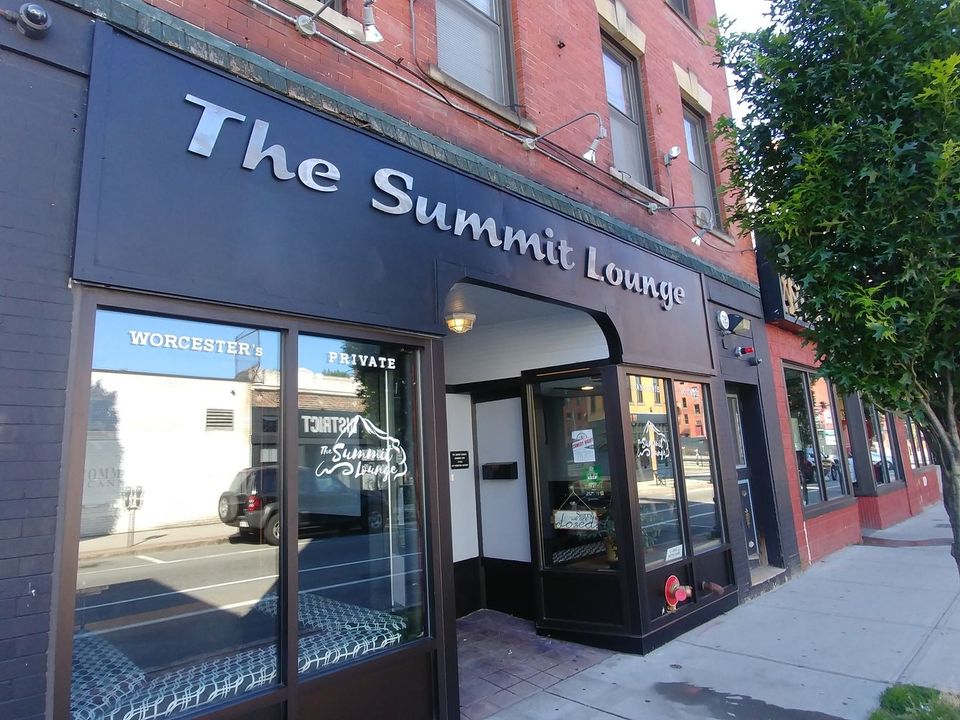
Before the Commission framework, places like Worcester’s Summit Lounge helped prove something important: The community will pay for a safe space and belonging even without a fully regulated social consumption structure. That doesn’t mean copying the past — it means learning from what worked.
Model: A membership-forward lounge that prioritizes
- community programming (education, creative nights, speaker series)
- responsible use norms (not hype)
- a “third place” feel — somewhere between home and nightlife
- clear policies for behavior, safety, and inclusion
Why it works:
Membership stabilizes revenue. It also helps solve a real problem: plenty of adults can’t consume at home (housing rules, families, roommates, stigma).
Equity angle:
Membership can fund consistent staffing and programming, making equity operators less dependent on high-volume weekend spikes.
4) Mobile Event-Based Social Consumption
The Commission framework includes an event organizer path. That matters because Massachusetts is an events state: festivals, art nights, music, food culture, pop-ups. If the model is built carefully, event-based consumption can be the lowest-risk entry point for some operators.
Model: Temporary, permitted consumption experiences tied to
- local cultural events
- tourism weekends
- brand education activations
- community-centered gatherings
Why it works:
It’s a lighter capital lift, and it creates momentum while municipalities figure out permanent zoning. Municipal opt-in is still required, and that’s a big variable, but events can help demonstrate what “safe and regulated” looks like in real life.
Equity angle:
Events can be a bridge, helping operators build audiences, refine SOPs, and prove viability before committing to a permanent footprint.
The two make-or-break realities
Municipal opt-in will decide the pace
Cities and towns have to opt in locally before social consumption can operate. That means the smartest operators will build a model that can survive delays, not one that depends on perfect timing.
Exclusivity helps, but the supply chain still needs equity
Social consumption and delivery being equity-first is progress. But if equity remains concentrated at the “last mile” of the supply chain, we’ll keep seeing the same problems: limited ownership upstream, limited pricing power, and limited long-term wealth. If Massachusetts wants equity to succeed, it needs more equity participation in cultivation and manufacturing, not just retail and delivery.
Closing
Social consumption can become a real economic engine, but only if the models are practical, the timelines are realistic, and equity operators aren’t set up to carry the heaviest burdens with the smallest margins. Massachusetts has a chance to lead New England here. The winning approach won’t be the most complicated — it’ll be the one that’s safe, community-aligned, and built to last.